Posted on Leave a comment

Famous Columbus Figures

Wendy's founder Dave Thomas

On this page, I will be discussing noteworthy people who hailed from this fair city, or else made a significant impact upon moving here. I’ve been torn on what to do about OSU athletes, who typically blow into town for 3-4 years and then right back out again, though the Columbus days might represent their most popular era. But I think that will get its own separate post at some point, alleviating this dilemma.

Hanif Abdurraqib 

A relatively new-ish writer I’ve started getting into. I had heard about him somewhere, reserved one of his books from the library…and only then learned, upon cracking it open, that he was actually from Columbus. I always love it when things like that happen, because it feels like the universe is sending some giant flashing arrows pointing the direction out for you, that you are headed the right way. 

He’s got a strange style that I really dig, both in making some unexpected connections between various topics, but also from the literal style itself – the way he constructs his sentences and the pieces as a whole. The first book I read of his was the essay collection They Can’t Kill Us Until They Kill Us, which is mostly I would say concerned with music criticism. Even here, however, you encounter this unique combination of some really deep insight, yet presented without a ton of academic stuffiness. It’s a potent cocktail that mostly works, to great effect.

On the very first page of that one, he makes an oblique reference to attending Red, White, and Boom, and from there, Columbus references abound: among those that I pick up on are a NOFX show at the Newport Music Hall,  Huntington Park, Bexley, Constellations playing at The Basement and their Alpha EP, the band named Defiance Ohio, Scottwood Elementary, Livingston Avenue, MarShawn McCarrel,  this Replica of Wales Window from the rebuilt 16th St Baptist Church, a Fall Out Boy show at The Basement, Capital University (here during 9/11, plays soccer), the King-Lincoln Bronzeville district, John Glenn Airport. The most hilarious segment for me though was clearly the one where he’s ripping on Twenty One Pilots.

His next essay collection, A Little Devil In America, doesn’t feature quite as many specific Cbus references, but is equally compelling from a quality standpoint. In that one I know he mentions this former bar on King Avenue called Hampton’s, and German Village, and some noteworthy graffiti spotted in various locations around town. Also discusses his high school without (as far as I noticed) specifically naming which one it was. Although it says on his Wikipedia page that he graduated from Beechcroft, so that must be it.

George Bellows

As one of the celebrated “Ashcan” artists of the early 1900s, Bellows seems to have recognized his calling in life at a very early age. Even in elementary school, his teachers would often adore their classrooms with this artwork. He was also a decent baseball and basketball player, taking all these talents with him to OSU, where among other things he contributed drawings for the student yearbook. Upon graduation, his parents were hoping he would do something a little more “respectable” career-wise. But, alas, he moved to New York City and became a famous painter instead.

Bizzy Bone

This founding member of celebrated hip-hop group Bone-Thugs-n-Harmony happens to be the only one who doesn’t originally hail from Cleveland. That’s right, he actually grew up here, at least up through the age of four. His story is far crazier than you might be aware, however, considering he was abducted at that age and taken to Oklahoma by his mom’s boyfriend. The authorities only found him a couple of years later, after his photo appeared in the end credits for the movie Adam.

Unlike many of the other future celebrities in this post, however, he did in fact return to Columbus and continue to maintain roots here. In fact, he was spotted constantly in the Morse Road Kroger where I worked. During these occasions whispers would circulate through the store mighty quickly: “Bizzy Bone’s here…psst…Bizzy Bone just came in the store!” So I think he must have lived nearby. Yet although always into Bone Thugs from their first album onward, I’m not quite sure why, either I was too timid or too cool at the time, but I never shouted out a hello and certainly never ran up to speak to him. Which now seems quite stupid.

Pat Borders

Referring to his semi-obscure catcher as “famous” might be a stretch, but I think anyone who makes it to the major leagues has a somewhat legitimate claim to that title. And he did after all win a couple of World Series, in fact was MVP of the ’92 Fall Classic. Yes he did move to Florida at a young age, just one of the many figures on this list who doesn’t have any apparent Columbus ties beyond that point. But he played for Indians for 3 years, so that’s something, and is also oddly enough one of just two American born players in history to have won a World Series and an Olympic gold medal (stranger still, both hailed from Ohio.)

Bernie Casey

When I worked at Wild Oats, we had this janitor we referred to as “U.N. Jefferson” based upon his vague resemblance to that character from Revenge Of The Nerds. Unbeknownst to us at the time, however, the guy who actually played U.N. Jefferson in the movie…graduated from East High School, right here in Columbus!

Talk about a mind-blowing coincidence, when eventually discovering this. But in all seriousness, Bernie Casey would wind up enjoying a fascinating career, clear up until his death in 2017. He starred at Bowling Green as an athlete, made All-American while there, then spent 8 years playing football in the NFL, during which he made one Pro Bowl and enjoyed moderate stardom. And only then did he get into acting, eventually compiling a far more illustrious resume than I’m sure even he could have possibly envisioned – one that will include numerous guest spots on TV, appearances in a Scorcese movie and a James Bond movie, a surprising amount of other hit films but then also, yes, possibly his most famous role, in a few chapters of that Nerds franchise.

Beverly D’Angelo

This famous actress is from the Upper Arlington area. Her grandpa, Howard Dwight Smith, designed the Shoe, among other buildings around town, and her dad, Gene D’Angelo, worked at WBNS.

Jay DeMarcus

Bass player for Rascall Flatts hails from Columbus and lived here his entire childhood. He attended the Tree Of Life Christian school and also that Fort Hayes magnet school.

Buster Douglas

This unknown boxer came from out of nowhere in 1990 to take down an undefeated Mike Tyson, thus winning the heavyweight crown.

Guy Fieri 

Vaguely amusing Food Network guy who reminds me of my old friend Doug, except with spiky blonde hair. This is the sanitized TV version of Doug, mannerisms intact but minus the foul behavior. If left to his own devices, however, Doug would have come up with a way better show than Diners, Drive-Ins, and Dives.

In his first ever book, 2008’s Diners, Drive-Ins, and Dives: An All American Road Trip…with Recipes! Fieri lists his top 60 restaurants in the country. Not a single Ohio eatery makes the list, much less one from Columbus. I alternate between thinking this is completely ridiculous, versus grudgingly admitting it’s kind of cool and maybe displays a little integrity. Then again, if he couldn’t find a single restaurant from his hometown to list among the country’s finest, he probably wasn’t trying hard enough. Then again, I think he moved away from Columbus at a fairly early age.

Hank Gowdy

In a town famous for its athletes, he just might crack the top ten list for those born here. And is likely the most famous baseball player who took his first breath in Columbus. His statistics actually don’t look that remarkable, although in a 17 year MLB career, interrupted by his service in WWI, he compiled a solid defensive track record. But what he’s most known for today, apart from appearing in a few World Series and winning a couple of them, is that he was the only major leaguer to serve in both World Wars – that’s right, at the age of 53, he went right on ahead and enlisted all over again. In 1918 he was in fact the first MLB player to enlist in WWI, period. He later went on to manage the Cincinnati Reds, among other coaching gigs. After dying at the ripe old age of 76, Gowdy Field was named in his honor, and he is buried here in Columbus.

Unfortunately, Gowdy Field fell into disrepair after a number of years. Owing to its prior status, it is given a West 3rd Avenue address, although the actual field part remaining is nowhere near 3rd Avenue now.

Bob Greene

You know, it’s surprising what wacky careers a lot of these people have had, even ones you maybe sort of thought you knew quite a bit about. Greene, who was born in Bexley in 1947, would become an award winning journalist for the Chicago Tribune, in addition to providing commentary on the TV news show Nightline. He has also written countless popular books.

Prior to this, though, there are the expected cutting teeth type stints working for a couple Columbus papers. Okay, that’s all well and good and mostly expected. But then also what about his time spent singing and playing guitar on the road with the surf rock group Jan and Dean? Huh? Oh yeah, and he went on to play…Santa Claus…for Alice Cooper’s tours in the early 1970s.

Well, I mean, it doesn’t sound like this guy left much on the table, I have to tell you. If curious to find out more, his books And You Know You Should Be Glad and Late Edition cover his early days growing up in Bexley and working for those C-bus papers, respectively.

Rahsaan Roland Kirk

Ah, now this is more like it. This internationally renowned jazz musician was born in the now defunct Flytown neighborhood in 1935. An accident at the age of 2 rendered him blind, although it’s likely that the unfortunate loss of this sense did heighten his musical sensibilities. He would later study at the OSU School For The Blind and is in fact most likely its most famous alumnus. At the time, locals mostly thought his music sucked and he had to travel elsewhere to gain an audience – only much later would C-bus realize the error of its ways and come to embrace his excellence. Sounds about right. Mayor Jack Sensenbrenner did apparently announce on December 10, 1970, that it was officially “Rahsaan Roland Kirk Day,” but its honoree had long since left town by this point.

Roy Lichtenstein 

This famous modern artist lived on Iuka for a while, near the OSU campus, and now has a statue at the airport.

Lil’ Bow Wow

Although he would soon drop the “Lil'” from his name, I think most of us can agree that Bow Wow (Shad Moss) is still mostly referred to by this name. This rapper’s big claim to fame is he was performing at some L.A. show at the age of 6 and somehow caught the attention of Snoop Dogg. He would appear in the video for Gin N’ Juice a short while later, then eventually launch his own recording career at the ripe old age of 13. He enjoyed some top ten hits and even headlined the movie Like Mike, and is still somehow just 37 as of this writing.

Jerrie Mock 

Almost nobody knows that she is the first woman to fly solo around the world, which is kind of sad. I feel like 99.9% of the people on the planet would get this wrong – as would I, until stumbling upon this factoid during my research here. She left Columbus on March 19, 1964 and returned just shy of a month later, on April 17. I’d never heard of her until recently, but love this story now. Which I guess is the point of this historical digging. This still seems somewhat insane to me, actually. How many of us, even now, for various reasons, would have problems flying around the globe in less than a month? Her plane was called Spirit Of Columbus and the TV show Family Ties once used that name for an episode, too – though it’s unclear if this was a coincidence, or intentionally done in her honor.

Jack Nicklaus

Everyone knows that he still holds the record for lifetime Majors won, which Tiger Woods has yet to take down despite his many comebacks. But these are all yawn inducing, in a way. What is local legend Jack Nicklaus really like, behind the scenes? This is what the people demand to know. Well, I can tell you that my stepdad caught him in action once during a Memorial tournament, and was less than impressed. He happened to be standing in the clubhouse and by chance witnessed the Golden Bear exiting a men’s room, at which point the golfing legend immediately reamed the nearest random employee, in front of everyone present, over the condition of said restroom.

Employee: Yes, Mister Nicklaus, I will take care of that as soon as possible.

Jack Nicklaus: No, you will take care of that now!

The spectators present, in a possible foreshadowing of his actual performance that day, exchange horrified glances. This is pure speculation, but I am hazarding a guess that the ongoing weather conditions at his signature tournament may have played a part in Jack’s foul attitude. If you do your research, you will discover that they basically bulldozed over Native American figurehead Chief Leatherlips’s stomping/burial grounds to build this golf course. From which point it began mysteriously raining at the Memorial tournament every year, except in the years it snowed. In late May. In more recent years they even tried moving the tournament up a week, except it has begun raining that weekend instead now. Naming a nearby road after Leatherlips has failed to appease him. I think you might have to knock off Nicklaus and/or reforest the golf course to reestablish this delicate balance.

Lest you think this superstitious nonsense, be advised that Barbara Nicklaus, Jack’s wife, has twice brought a glass of gin to place at Leatherlips’s current grave, upon hearing rumors that this would remedy the situation. The second time, the not-at-all-desperate-or-washed-up-jackass golfer husband drove her there. Although dismissing the entire plot as hokum, of course.

Paul O’Neill

Not to be confused with the former Secretary of the Treasury who spells his name the same way, this Paul played major league baseball for the Reds and Yankees from 1985 to 2001. He won a batting title in ’94, was named to a handful of All-Star teams, and is one of just 30 players to have won 5 World Series titles (one with the Reds, four with the Yankees). Oddly enough, he is also the ONLY player in history to have played on the winning side of three different perfect games. As far as his local ties are concerned, he went to Brookhaven High School.

I always thought he seemed like a cool, low key kind of guy. An impression that’s bolstered by listening to him in the broadcast booth after his playing days ended. Of course, all the modern reader probably cares about is that he also appeared in an episode of Seinfeld. 

Tom Poston

This actor is most famous as a regular on Newhart, but guest starred in what looks like approximately every TV show you ever heard of from the 1950s up through 2007. He was born here in 1921, and graduated high school here, but doesn’t appear to have had much to do with C-bus beyond this point.

Brady Quinn

Even rarer a specimen than the Archie Griffin/Michael Redd type athlete (born here, starred at OSU) is one like Brady Quinn: born here, but starred at a completely different college. In his case, after setting the world on fire as a QB at Dublin Coffman, earning him mountains of praise in the Dispatch and elsewhere, he enrolled at Notre Dame and set numerous records there. Then the NFL came calling, beginning with a busted stunt helming the Browns, although he did manage to stick around with various teams for 7 seasons.

Michael Redd

You’ll see some conflicting reports, but most have it that future NBA star Michael Redd was born in Columbus. At the very least, he definitely grew up here, and attended West High – this makes him one of those relatively rare athletes who not only starred at OSU but actually hailed from our fair city as well. I remember following the big season, I think it was ’99, when he and Scoonie Penn took the Buckeye basketball team deep into the March Madness tournament. In 2000, he was drafted by the Milwaukee Bucks, and would wind up playing eleven seasons for them, followed by a final hurrah with the Phoenix Suns.

Eddie Rickenbacker

This world famous fighter pilot from WWI was born in Columbus and would eventually have an airport named after him here. At the age of two or three, his family purchased and moved into a house on Livingston Avenue, where he would live for the remainder of his childhood. Rickenbacher (as his name was originally spelled, before he changed it as an adult) worked as a teenager for both the Oscar Lear Automobile Company and Columbus Buggy Company. Prior to his career as a pilot, he was actually a race car driver of considerable reknown. And then in the 30s and 40s, oddly enough, he penned a popular comic strip named Ace Drummond. Upon his death in 1973, he was buried in Green Lawn Cemetery.

Arthur M. Schlesinger, Jr.

Born in Columbus and just like his daddy (a historian at OSU), Junior here would make his name mostly in the field of American history. He won a pair of Pulitzer Prizes for his books – exactly twenty years apart – wrote speeches for presidential candidate Adlai Stevenson, and later even worked for JFK as a historian. Unfortunately, like many of the figures on this page, he does seem to have basically blown out of town at an early age and had little to do with Columbus as an adult.

Alice Schille

Another famed painter, Alice enjoyed a long, incredibly prolific career spent living and eventually dying in Columbus. She attended Columbus Art School before continuing her education in New York. But then also traveled extensively, picking up considerable knowledge in the process, along with numerous awards such as the gold medal in a 1915 exhibition at Pennsylvania Academy of the Fine Arts.

She is mostly known for her watercolors, forever (or at least we’d like to think) putting to bed the disrespect often paid to this medium. Her work is still on display all over this city and beyond. Following her 1955 death at the age of 86, she was buried at Green Lawn Cemetery, just like Rickenbacker and many of these other notable figures.

Jeff Smith

This cartoonist, creator of the Bone comic book series, has lived in Columbus for most of his life. Its origins trace back to a strip called Thorn he contributed to OSU paper The Lantern, however, as some of the characters first appeared there. So yeah, after graduating from Worthington High, he enrolled at Ohio State. Then he and buddy Jim Kammerud formed an animation studio called Character Builders, during which they created ads for White Castle and the introductory sequence for a Jack Hanna show called Super Safari, among other noteworthy gigs.

Only later, in 1991, would he launch the Bone series and form his own comic book company. My friend Kevin Spain briefly worked for Smith in some sort of office lackey role during the early years, and says he’s a really nice guy. Nonetheless, though I own a couple issues and have tried getting into it, I am forced to admit that this just isn’t my cup of tea.

George Steinbrenner

This future owner of the New York Yankees was assigned to Lockbourne Air Force Base in 1952. Though he and his family were based more out of Cleveland, George would maintain close ties with Columbus all the way up until his death.  At Lockbourne, he was first an aide to the commanding general, then was placed in charge of its athletic program.

He also coached their baseball team! Once, during his first season of doing so, OSU’s junior varsity squad showed up for a game, much to George’s distress. When making the schedule, he thought he was booking a game against their varsity team. Thus, is shouting at them to stay on the bus and to drive it back the way they came. Is further enraged when their coach talks him into playing anyway, and they proceed to pummel Lockbourne. Elsewhere on base, he runs track and sets the record for the 440 yard low hurdle. Also sets up some kind of coffee and donut operation, selling these out of trucks around the base.

In 1954, George will wind up transferring to Ohio State, to pursue his Master’s degree in phys ed. Attends a ton of football games, hangs out watching practice. During this time he’s also somehow employed as the assistant football and basketball coach at St. Thomas Aquinas High. George has at least one class with star OSU running back Howard Cassady, and the two become good friends. Through Cassady, Steinbrenner will meet his future wife, fellow OSU student Elizabeth Joan Zieg. Her dad, Harold Zieg, was a bigtime local developer and Buckeye football booster.

The Steinbrenner stories tend to weave in and out of town from this point forward. In 1973, while attempting to purchase the Yankees, he will enlist one of the Lazarus heirs, Charlotte Witkind, as a minority investor. Six years later, he moves their AAA minor league team to town, and switches its name from the Jets to the Clippers. There is one amusing anecdote from July of that year, when Steinbrenner has just flown into town to check up on the team. After landing at Columbus International, he catches a cab and is en route to the hotel when he happens to hear Clippers manager Gene Michael being interviewed on the radio. It’s a local station and the interviewer is asking him if he would like to have the recently opened manager post up in Cleveland. When Michael admits that he might, George flips out and tells the cabbie to drive him to Cooper Stadium instead. Lurks around in wait for Gene to show up, and then verbally assails the dude when he does. Although cooler heads eventually prevail during this same conversation, and Steinbrenner offers him a GM job with the Yankees instead.

I happened to see Steinbrenner around town here just once, having breakfast at the Damon’s where I worked. We peeked around the corner, watching him dine with some other guy, but were not about to approach and interrupt. Everyone said he was part owner of either the attached Parke Hotel or the restaurant or both, although I’m not sure to what extent.

Jermaine Stewart

Singer most famous for We Don’t Have To Take Our Clothes Off was born here in 1957. And just off the top of my head, up until Twenty One Pilots came along, I might say that’s the biggest hit ever for a Columbus born musician, that I’m aware of. His family did move to Chicago, which is where he ultimately first made his mark, but this didn’t happen until he was a teenager.

R.L. Stine

I somehow only recently learned that this author is from Columbus, even though he has to be the best-selling writer this city has produced. James Thurber is surely still more of a household name, however, so that’s something. I was a little too old for Goosebumps and Fear Street, his most popular series, but a recent Netflix trilogy based on the latter was very good. Born in Bexley, he attended OSU and even worked on The Sundial for a few years. He then created the magazine Bananas (which seems vaguely familiar) and since then has published a mind numbing arsenal of books. It will seriously make your brain hurt to look up a list of all the stuff this dude has written. And here I feel like some battle tested warrior for cranking out one short article a month. Pssh. Even though, to my knowledge, I’ve not read any of his books, and can’t speak of the quality, this is still a mighty impressive resumé. He also apparently had a cameo in the first two Goosebumps movies.

Dave Thomas

Though he only wound up settling here in roundabout fashion as an adult, Columbus was the site of his breakthrough business triumphs, and he remained a fixture on the scene basically until his death.

I didn’t realize how much he had going on in Cbus until reading his autobiography, Dave’s Way. Though presented as a somewhat wacky motivational book giving “tips” to aspiring entrepreneurs, I have to admit, this was way more engaging than expected. Then again, I was cracking up long before page one, just to observe Jack Nicklaus’s bullshit soundbite on the back cover. Here’s the quote in its entirety:

“Dave has written an entertaining book, which I am sure you’ll find very enjoyable.”

Okay, so the Golden Bear clearly didn’t even read the thing. I’m conjuring up this mental image of it sitting on this table beside his front door for a couple of months. Then maybe he’s passing through the headquarters of Jack Nicklaus, Inc. one day and the secretary is holding her hand over the phone receiver, telling him Dave Thomas is on the line asking about some praise for his book jacket. A slightly out of breath and irritated Jack recites this nonsense on the spot before continuing to his office.

But anyway, onto the specifics. Most of this I had no clue about apart from the big ticket items about Dave opening the first ever Wendy’s in Columbus. So here are some of the major points. Apparently, while working as assistant manager for a two store restaurant chain in Ft. Wayne, Dave Thomas became one of the first people in the country to get mixed up with Colonel Sanders. The old colonel I must say comes off as a dangerous if crafty lunatic in many of these pages.

Anyway, Dave became somewhat smitten with Col. Sanders’s business acumen and even took to wearing white suits with black string ties himself for a while. There’s a hilarious photo in this book of the two of them side by side at the Ohio State Fair, sporting this very getup, as Dave is holding a trophy for some “Grand Champion” chicken they presented here.

How they got from Ft. Wayne to Columbus is itself pretty fascinating. In 1959, the colonel gets this idea about hooking up a couple of real estates buddies he has in Cbus, with Dave Thomas’s boss over in Indiana. His name is Phil Clauss, and he owns that two store Hobby Ranch House Take-Home operation (I couldn’t even begin to tackle the origin of this name here, so don’t ask). Sanders approaches Clauss about opening some restaurants in Columbus. These figures agree to combine forces for this venture, although Clauss, to his credit, insists he will only do so if his “vice-president,” Dave Thomas, who is in fact still manning a grill every day, is appointed operational advisor to this program.

In the early going, Dave’s driving to Columbus once a month, but this business is bombing out miserably. Finally the three guys running the show (Sanders is more in the background barking orders at this point) convince Thomas he needs to actually move to Columbus to straighten out these clowns. Clauss is confident enough in his boy here that he buys out the other two guys, and works out a deal with Thomas that Dave can have 40% of the company if he manages to turn it around.

His first order of business is to clean house. One of the lists he’s included in this book, Dave’s Six Steps For Bringing Back A Dying Business, is absolutely priceless. Much to my delight (and surely many a coworker I’ve had over the years would feel the same way), Tip #1 is “get rid of the dead wood in management.” Anyhow, after mission accomplished on this front, he also installs air conditioning at the four restaurants, trims the menus way down from a positively insane 100 offerings to maybe a dozen…but then also renames them the still quite baffling Colonel Sanders Kentucky Fried Chicken Take Home. More hilarious yet, the namesake himself, Harland Sanders, is telling Dave he’s nuts and should pull out of town before it’s too late.

Even so, however improbably, things are on the upswing. Dave and the family buy a house in Westerville, and things improve to the extent that a 5th restaurant is opened in ’67. By this point he has made good on his deal with Clauss and now owns 40% of these puppies. He tries out all manner of wacky promotions, down to teaming up with this ice cream place across the street from one location on BOGO type deals between the two businesses. Most significantly, Dave has this idea about rotating, illuminated chicken buckets for the company signs, which Sanders instantly falls in love with and installs at KFC locations everywhere. So, yes, the world famous Kentucky Fried Chicken Of Ft. Wayne Indiana actually owes this debt to Columbus Ohio.

On to more pertinent points, a year later, in 1968, KFC has exploded to the extent that Clauss and Thomas sell their five Columbus stores back to the parent company at a huge profit. Dave’s then kind of slumming it for a while with various corporate roles with KFC before quitting, after a tiff with his higher-ups. By this juncture he’s already a millionaire anyway and doesn’t need this crap. He accepts a job running Arthur Treacher’s while he contemplates his next move. Having purchased a car from Immke Buick, he’s become good friends with that local dealership’s kingpin, Len Immke, and the two of them often hit the Columbus Athletic Club to work out together, while Dave airs his thoughts on ideas to revolutionize the fast food hamburger industry.

Dave says the two of them commonly drink beer in the steam room while discussing these concepts. Which might defeat the purpose of hitting the gym in the first place, although you have to admit it’s kind of cool. Anyway following one of these powwows, they decide to swing by the club’s diner for lunch, only to discover it’s closed. This sets off a life changing rant by Immke.

“See, Dave it’s what I’ve been telling you,” Immke says, “it’s tough to get a meal downtown at the noon hour. We really ought to have a hamburger operation down here.”

Something clicks in this moment. In a virtual instant, Thomas decides to buy this business space from Immke, on West Broad Street. It’s a closed down restaurant that Len had fairly recently purchased from former New York Yankee great Tommy Henrich. At the time of this conversation it’s being used to stage brand new Buicks before they reach the showroom at Immke’s dealership down the street, and the bar area is entirely cobwebbed from disuse. These two are driving around Columbus one day and Dave, after mulling over this matter an eternity, suddenly latches upon the name Wendy’s, a nickname for his youngest daughter Melinda.

This first location opens on November 15, 1969, with three full-time employees. In this book, which came out in 1991, Dave mentions that original employee Gloria Ward Soffe is still with the company, which is another heartwarming touch to read about somehow. The mayor is on hand for this opening, as is company mascot Melinda, in pigtails with blue bows in them, who at 8 years old admits halfway through the day that smiling so much is making her mouth hurt.

That stuff about the opening is somewhat common knowledge, though, and vaguely familiar to me. What I didn’t realize, however, is that the second ever Wendy’s location was opened on Henderson Road, about a year later, and that this is the first one with a drive-thru window. Both here and elsewhere, they actually attempt operating separate grills at this restaurant, a distinct kitchen each for the dine-in and drive-thru customers, for a number of years. All the more zany, it bears mentioning, Dave was somehow still on the payroll at Arthur Treacher’s, too, doing the same theoretical work as always, and the 2nd largest stockholder, until he was certain this Wendy’s concept would really take off.

When it was still a two store operation, he cut in a trio of local friends on ownership, and the four of them cleaned house after Wendy’s went skyward. One of them, Ron Musick, was renting an apartment in Worthington at the time, and essentially told his wife to piss off when she was questioning this investment. This foursome moved into an office on Henderson, one which also housed a Coca-Cola arm of sorts, some Anchor Hocking glass operation, and other oddball businesses. Dave recounts here that, although at the time of writing this book, he was sitting in a much fancier office up in Dublin, that these Henderson Road days were actually his favorite. The four of them and their wives were here all the time, in this cramped but vibrant atmosphere, and there were days where they had hundreds of thousands of dollars stacked in the hallway, despite the other businesses in the building, if the banks happened to be closed at that hour.

By 1979, Dave Thomas is receiving a Horatio Alger award from Norman Vincent Peale at the Neil House downtown. OSU donates a chair for his fancy office up in Dublin, joking that he never had enough seats at the original location. Still, though we are definitely in victory lap terrain by this point, it’s impressive how he keeps pumping up the legends of even obscure local people he has known throughout the years. Roger Webb, who was just a student in the accounting department at OSU way back in those early days of Wendy’s, grinding his way through this fast food gig for pocket change, is mentioned as having made many important contributions during totally random conversations he had with Dave in that Broad Street restaurant. Thomas is also quite enthralled with this Jim Near character, a Columbus figure who is eventually appointed chairman of Wendy’s.

In summary, I think Dave was probably a mostly cool older guy you would have rolled your eyes at if working for, even as you reluctantly learned a few things from him. It’s nice to see him mention in passing a few charitable things he did, too, to give back to the community. Recreation Unlimited, a camp for the disabled which he was encouraged to support by sportscaster Jimmy Crum, and Charity Newsies, a vaguely familiar concept I seem to remember, where they would sell newspapers on street corners to buy clothes for kids, were a couple of his pet causes. Daughter Pam was also in charge of the volunteer program in Columbus as well.

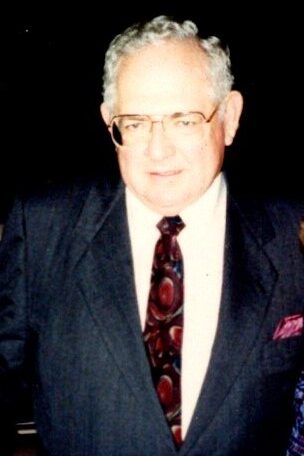
My parents actually went out to dinner with Dave Thomas once. The photo above is taken from that night, though I’ve cropped them out of it – sorry, folks, but you don’t quite make the cut on this particular post. In case you’re wondering, though, what restaurant did Dave immediately recommend, during a brief discussion on where to eat? Why it was Wendy’s, of course, and this is precisely where they went.

Philip Michael Thomas

Actor most famous for playing Tubbs on Miami Vice was born here in 1949 but moved away at (you guessed it) a very early age.

Kenan Thompson

This highly entertaining actor technically hails from here, yes, but might have set a record on this page by leaving town before he was even a year old. And therefore it’s highly unlikely he gets too teary eyed reminiscing about ol’ Columbus.

James Thurber

I recently finished The Years With Ross, which is a memoir about his time spent working at The New Yorker. This is the first thing of his that really made much of an impression on me. We did, of course, have to read The Secret Life of Walter Mitty in high school, and while that famous short story does have a memorable premise that you basically never forget, I wouldn’t say it meant much to this particular teenager at the time.

The Years With Ross has a great atmosphere to it, though, about life on a magazine staff, and is also laugh-out-loud funny in spots. Mostly it is of course concerned with NYC tales, although Thurber does include a few short anecdotes about Columbus here and there.

I also have Fables for Our Time and Famous Poems Illustrated in my collection, and just read that one. The first few paragraphs have you thinking that this is going to be a silly enterprise, but it’s actually pretty hilarious much of the time. In fact, these days I mentally lump Thurber in with Twain because it’s surprising to me how funny these guys still are after all these years. Each of these fables features one or two of James’s own illustrations, of course, and a moral at the end, the most comical of which might be, it is better to have loafed and lost than never to have loafed at all. 

The famous poems section is more of a head scratcher to me, although then again I don’t know anything about poetry. All you can say is that these timeworn pieces (by Longfellow, Tennyson, etc) must have meant something to him, considering he drew even more illustrations for these than he did the fables. Regarding the artwork, it’s basic but effective enough, about on par with what you’d expect from a newspaper comics section. These can provide a surprising amount of comedy themselves, however, like for example this sheep at a typewriter on the cover, which conveys a great deal of emotion somehow despite its basic form. It would have been interesting, actually, to see how Thurber would have fared in some alternate universe, if wholly dedicating himself as a newspaper comics creator instead – I’m guessing he would have done quite well in that medium.

Overall, this collection makes me wonder if John Lennon wasn’t striving for something similar with his own bizarre books. If so, he missed the mark considerably. Anyway, as far as Columbus references are concerned, he mentions the city just once, in passing during one of these fables.

Twenty One Pilots

Well, there’s no avoiding it any longer – it’s time to address the heathens in the room. Now, I know some people have been known to protest, “nuh uh! They come from the suburbs, dude! It doesn’t count!” But I don’t know about any of that. They bill themselves as a Columbus band and I can’t find any evidence to contradict it.

On September 8, 2021, they played a Sirius exclusive show, broadcast from the Newport Music Hall. I happened to catch this and am really glad that I did so. Prior to hearing this, I have to admit I liked Heathens and that was pretty much it. But they kind of won me over with this performance. Before the show there was even a little intro interview and the two main members (Tyler Joseph and Josh Dun) came across as chill and even hilarious at times. They threw out mentions to Hounddog’s Pizza and “that car dealer guy…carrying an acoustic guitar around everywhere he went,” (Fred Ricart), for example, so that’s something. As far as the show, the drummer (Dun) displays some serious chops, and they played a lot of deeper cuts that I’d never heard before. The singer (Joseph) has pipes, too, and while it started to get a smidgen repetitive by the end – and I’m still not a fan of a couple hits there where he kind of sounds like Eminem trying to pull off reggae, or something – overall this appearance has me wanting to check out more of their material. The songwriting was often much weirder and edgier than expected, even if the crowd (singing along with virtually every word) clearly leans toward the teenybopper demographic, and the whole enterprise seems like something Jared Leto might be into. Which makes total sense considering the soundtrack Heathens initially appeared on.

So I guess this is my dark secret, confessing that I kind of dig this band now.  We are surely a minority creeping around in the shadows. Or maybe not – I seem to recall reading somewhere that Twenty One Pilots were the best-selling rock group of the 2010s. This despite not getting a ton of press, and hailing not from LA or New York, but Columbus Ohio. That last point gets stranger and stranger the more I think about it.

Dwight Yoakam

In the pre-internet days, you would hear all kinds of crazy rumors, and begin to tune most of these out after a while. Having said that, I never heard anyone whatsoever suggest that Dwight Yoakam spent a great deal of his formative years in Columbus, although this happens to be true.

In retrospect, in these modern times, it seems way more obvious than it was back then. My parents actually received Hillbilly Deluxe on cassette as a Christmas present the year it was released, and we wore that bad boy out. Readin’, ‘Rightin’, Rt. 23 was a family favorite, though you would have been considered a cheesy flake at the time to suggest he was talking about the route 23 which passed not that far from our house…even though we would eventually discover he was.

Beyond that point, I actually caught Panic Room during its original run, at Studio 35. It’s crazy to think now that he graduated high school maybe ten minutes away from there, but I had no clue at the time. Not to mention that Studio 35 actually sits on the route in question, 23. By then he was already famous for Sling Blade and it seemed like he might transition into acting completely. Yet Nashville or Bakersfield were distant concepts which basically might have been located halfway across our galaxy, not to mention I had no idea still that he spent most of his childhood here, even attended OSU for a while. In the 2000 presidential election it turns out I actually voted at Dwight’s old high school, but wouldn’t realize this for another ten years or so. He graduated from Northland in ’74, before briefly enrollling at OSU, then blowing out of town for good.

But then on the flipside, well, there must have been something there, to explain why he’s not only one of the few “modern” (as in, mid 80s onward) country guys you don’t just tolerate, but have somewhat liked from the outset. And this is reassuring when it happens, in a way, that somehow your subconscious vibed with a musician and you weren’t sure why, except instinctively knowing it wasn’t quite the same old thing everyone else was doing. Which was true for a lot of us, I think.
Posted on 2 Comments

Columbus References In Popular Culture

The Latest compilation CD

This page is dedicated to fictional works which have either been set in or referenced dear old Columbus, or else nonfictional ones which mention our fair city, though not entirely set here (if interested in documents which were actually created here, and/or by C-bus residents, see my “C-bus Artifacts” tab instead). Plus any documents recorded by famous acts while on tour here, or if a local figure managed to land something on a major compilation of sorts. Many of these occurred when the city was even more obscure than it is now, and therefore felt all the more bizarre:

60 Songs that Explain the ’90s

(podcast) – totally mind-blowing production from host Rob Harvilla of The Ringer. Once again, I can’t get over how the Columbus connections keep popping up in the most unexpected places. Harvilla is a music reporter and his name sounded vaguely familiar to me, but I wasn’t sure why. I was a handful of randomly selected episodes into this before he mentioned a little bit about his backstory, that he’s an Ohioan and worked as a reporter in Columbus for a while after moving here, before winding up at The Ringer. And then in the Gin Blossoms episode, he is joined by local author Hanif Abdurraqib – an unexpected but awesome pairing on all sides of that equation.

Of course, I eventually realized that the reason his name sounded so familiar is that I he had written some music reviews for The Other Paper. And that I’d quoted him in a couple places on some of my other entries. But anyway, regarding this podcast itself, thus far I’ve been most stoked of all about his Tool episode, during which he references having been at their 9/14/01 concert, the same I one attended. And has quite a bit to say about it, with a small audio clip included.

There’s a chicken-egg conundrum here with phenomena like these, where I find myself continually drawn to certain writers, podcasts, bands, et cetera, and only later realize they hail from here. At some point you have to conclude these common interests are not a coincidence. But is the scene forging us, or are we forging the scene? It’s a little bit of both, surely. With some of these sensibilities being native ones, that rub off on us, and hopefully in return a pinch or two of our influence contributing something new as well. Very cool, though, any way you slice it.

Among other references unearthed thus far (I’ve yet to make it through all of them), one hilarious, unexpected moment has Rob mentioning he interviewed Ukelele Man at former beloved north campus restaurant Blue Danube. This happened during the Sinead O’Connor episode – which I’m sure you were totally guessing was the case.

100% Fresh – Adam Sandler 

(stand up comedy special). This Netflix offering was filmed in part at the Schottenstein Center. I haven’t seen it but the one pun I’ve heard about calling this the “Schlongenstein Center” sounds pretty lame. Amazingly, enough, however, considering it came out in 2018, this received some fairly strong Rotten Tomato scores – although the weirdest aspect might be that Paul Thomas Anderson filmed part of it. Then again, that could explain the robust reviews.

Air Force One

(movie) Some “B unit” footage (basically this is when a director sends some surrogate crew elsewhere, to film extra, often background scenery type, material) is shot at the Rickenbacker Air National Guard Base.

Brubaker

(movie) A couple of opening scenes are filmed in Columbus, of the city skyline, and a shot down South Front Street. But apparently that is all.

Beat Bobby Flay

(tv show) Jack Moore, executive chef at Watershed Distillery, is featured competing on this episode. Unfortunately he does lose in the first round.

Cold Pizza

This show used to air on ESPN2. Around ’06-ish they rated Dub Pub the best sports bar in the state.

Columbus Ohio August 21 2000 – Pearl Jam

(album): Damon actually mailed this disc to me out of the blue one day, presumably to review on this site. This was from that whole series where they were releasing every show on the tour as a live album. They played at Polaris during this particular stop, and it’s as impressive a document as you would expect from these guys – all the more so in that the occasional mistake is left intact. In so doing they make these other acts who release “live” albums with studio overdubs (Kiss, Pink Floyd, etc) seem all the more lame, too. Clearly there would be no time to patch over this mountain of discs with studio overdubs anyway.

Still, most bands at this level are going to be able to deliver the goods live. If you’re a Pearl Jam fan, or even a rock fan who’s never experienced them live, this is as fine a sampler as any for testing the waters (I’ve heard 3-4 other discs from this series, and so far all have been about equal; curiously enough the one from the actual show I attended is my least favorite, probably because it’s tinkering with my memories of that night). It’s mostly uptempo stuff, with the occasional slower cut thrown in for a little change of pace. Nothing As It Seems really stands out, as far as these more chill numbers are concerned, for some amazing guitar work from Mike McCready.

So it’s the little human elements, in between the expected rocking out, that really win you over, and make this a much more interesting document. The first song song on the second disc is the excellent Insignificance, a catchy foot stomper from their most recent album, but somebody drops the ball about halfway through and the entire band lurches to a halt. The crowd cheers anyway, because they think the song’s over, and the group picks up the thread again a couple of seconds later as if nothing ever happened.

This is the only outright mistake I’ve caught after a couple of listens. Elsewhere you’ve got the expected occasional Eddie speeches to liven up and distinguish the proceedings, as well as the cover song they usually tack onto the end of Daughter – this changes from night to night – and Vedder’s seemingly making up new lyrics for Yellow Ledbetter here and there, every performance. Playing that one last has become a tradition for them, as has McCready’s occasional interjection of famous licks into his closing guitar solo for that song. This time around, he throws in the opening riffs from Van Halen’s Unchained, although it doesn’t sound like much of the crowd really noticed this.

Handily enough, most of Eddie’s philosophizing is isolated to its own track, Encore Break on the second disc. So you can safely skip past that one if ye like. He does offer the amusing insight here that “politics and beer go great together,” and that’s pretty much the highlight of his rant. Elsewhere, he compliments the crowd at one point, referring to them as “intellectuals,” and you even get a little weather commentary, when he observes at the conclusion of Once that Sonic Youth (the opening act) had played to a particularly gorgeous and memorable sunset.

As for the Daughter medley, it sounds for a second like they’re about to slip into their own song Why Go, but instead begin playing this Hold On cut (no, not the Wilson Phillips monstrosity) which I don’t recognize. A decent portion of the audience must be familiar with it, though, whoever originally does this – while possibly standard rock show chatter, Vedder commends them for being a “crowd full of music students.” Actually, you go into these things knowing there’s a little bit of b.s. involved, but don’t care so long as the band makes some effort at delivering a unique experience. On this score I would say Pearl Jam, as always, succeeds.

Eat The Rich

(podcast) There are a number of different productions with this title, so you’re looking for the one with the sickle and fork logo. These are some funny though smart and informative dudes. I admittedly don’t know everything about the show, but it seems that a couple of these guys at the very least are from Columbus.

The episode I was directed to (#28) concerns Les Wexner, and I would definitely recommend starting here. It does seem that many have been taken down from normal podcast outlets, for whatever reason, but I found it with no trouble on Youtube. This proved to be an extremly hilarious yet informative episode, so I’m thankful for the tip.

Family Ties

(TV series). Unless I’m missing something, they don’t come right out of the gate declaring where this sitcom family lives. Having said that, you’re immediately aware that the series has a very Ohio-ish feel to it – someone involved with the show’s creation clearly must have been from here. Many of us thought it completely mindblowing that there was a girl named Jenny Keaton at our school. Elyse even kind of reminded me of my stepmom at the time. But I don’t actually remember anyone making a big deal of or for that matter even noticing at the time that this show was supposed to be set in this neck of the woods, probably due to this slow reveal.

As I begin binge watching the seasons, the first Ohio reference I notice at all doesn’t occur until episode 4. This older chick’s trying to seduce Alex and he’s attempting to cool her down with jokes about the Cleveland Indians (safe to say this was a suitably frosty topic circa 1982). And I don’t detect even an oblique mention of Columbus until the 6th episode, when one of Steven’s coworkers jokes about filming Woody Hayes’s house for half an hour. It’s a funny line on its own, but assumes a whole other surreal luster if you are actually watching the episodes in order and have no clue about their location.

Over time, it’s eventually established that Steven works at the Columbus PBS station. Though everyone in my family seemed to agree that Steven was the funniest character on the show, Alex became the breakout star and it probably explains why Michael J. Fox was the token celebrity here for Hands Across America. Rumors began to surface that the show’s creators had the Bexley area in mind when crafting this timeless family comedy, but, I don’t know, it doesn’t really look like Bexley to me. I’m thinking more like the older parts of Upper Arlington, or possibly Gahanna.

Other references of note:

Season 2, Episode 4 – Mallory receives a letter from the (fictional, as far as I know) Columbus Express newspaper saying she won this mother/daughter modeling contest, and will be featured in the Sunday supplement.

Season 2, Episode 12 – Steven says he hopes to catch the OSU-Iowa game on TV. This would have been the 1983 season. Just for entertainment value I looked up the result of this particular contest – the Buckeyes lost, 20-14, falling to a 2-1 record on the year. In the actual episode, OSU is down 16-12 on the final play of the game and this bratty kid Steven’s babysitting messes up his reception.

Season 2, Episode 14 – Tom Hanks guest stars for the 2nd time as Elyse’s brother. Considering that he’s a wee bit too fond of drink these days, the family convinces him to call AA. Upon doing so, he initially makes a weak wisecrack to the receptionist instead, about selling her a subscription to the Columbus Express.

Season 3, Episode 21 – Steven and Elyse are going on a date, and ask Alex to babysit the newborn. One of the emergency contacts they give Alex is Ohio Senator Howard Metzenbaum.

Season 4, Episode 22 – Alex is issued a ticket by “Columbus’s finest” for not coming to a complete stop on South High Street, he says, in front of Lazarus. Mallory rats him out and agrees with the officer, though Alex vows to fight it. Then, just a handful of clock ticks later, Steven asks Jennifer if she wants to hit Darby Creek Park to “shoot some baskets.” This onslaught of Columbus references is interesting to me, after an extended dry spell during season 3 and most of season 4 – it’s almost as though someone said, “hey, wait a second, wasn’t this show supposed to be set in Ohio or something?” after everyone involved with the series had kind of forgotten about it. Also, this Darby Creek business to me kind of rules out these rumors about Bexley. I’m definitely leaning more toward Upper Arlington or maybe even a dark horse candidate like Hilliard as the setting they were picturing for the Keatons.

Season 4, Episode 24 – Mallory has been studying so much to avoid flunking out that the Columbus Merchants’ Association sends a letter to the Keaton home. Retail sales have plummeted, citywide, since she hasn’t had time for shopping. Pure speculation on my part, but this could perhaps explain the plight of the Westland Mall.

Season 5, Episode 27 – Some snotty, out of town family members come visit the Keatons. When they offer to show these obnoxious relatives the sights and sounds of Columbus, Ohio, one cousin scoffs and retorts that this would probably take “two minutes.” In making this offer, Jennifer specifically names downtown, but then also the not-quite-accurate destinations of “Germantown” and “Ohio State Art Museum.”

I find this tendency to occasionally use correct names and occasionally make up others to be a bit strange. You could understand them not wanting to invoke an actual publication like The Columbus Dispatch, but there’s no trademark on a neighborhood, i.e. German Village. Then again you could argue they just couldn’t remember the exact name and didn’t care enough to look it up.

Season 6, Episode 3 – Mallory is stoked to land a job as advice columnist for the fictional (as far as I know) Columbus Shopper’s Guide.

Season 6, Episode 16 – This would be their Christmas episode of the 1987 season, and while it is titled Miracle In Columbus, there’s nothing particularly specific about this episode to place it here.

Season 6, Episode 18 – Ah, but here, now, we are mining perhaps a greater essence of what our city is all about. Mallory’s boyfriend Nick, an artist, glues together a random assortment of junk, and then titles his piece Spirit Of Columbus. After which of course it becomes inexplicably popular to the world at large.

Only much later will I realize there’s another whole level of cleverness here with that title – perhaps, anyway. Because it turns out that Jerrie Mock (the first woman to fly solo around the world, starting and landing right here in good old Cow Town) flew a plane called Spirit Of Columbus during her most famous jaunt.

But did those involved with producing this episode realize this, and was it intentional? Or just a coincidence? Or some slight third alternative in between the two, where this title had a ring to it, but they couldn’t quite place why? Of course, I feel like this is definitely one of those situations where you’re never going to get to the bottom of a definitive answer. You ask anyone connected with making these decisions, and they would assuredly blurt out something about, “oh yeah, um, we totally knew about the whole Jerrie Mock thing, for sure.”

Season 6, Episode 20 – At long last, more clues begin to emerge about their exact location, too. Steven makes a passing reference to their being “only 2 miles” outside of the Columbus school district. So this places them either in the suburbs, or some manner of zoning weirdness like Clinton Township.

Season 7, Episode 5 – When Jennifer attacks a poster of George Bush Sr. that Alex has hung in the living room, he threatens to report her to the authorities for “unlicensed dismantling of the Columbus White House.” Meanwhile, as they are arguing, Steven arrives on the scene, out of breath and announcing that he has returned from jogging at Darby Creek Park. Then immediately suffers a heart attack – although it’s unclear whether the jogging or the poster has caused this.

Season 7, Episode 25 – In the second to last episode, which is really part one of the finale, Alex lands a job in Manhattan. A semi-hysterical Elyse “helpfully” suggests that Alex can continue living at home, which leads him to crack that Columbus to Manhattan is a mighty long commute.

As far as I can tell, this concludes the specific Columbus area references. Although there is one additional clue provided in Season 7, Episode 7, regarding where they live. In a flashback scene  to when they first purchase the house, a very young Mallory cheers that they can see the mall from their front porch. Aha! I feel like this has considerably narrowed down the range.  The house must sit somewhere near where Broad Street and I-270 meet, within sight of the Westland Mall. Owing to Steven’s earlier comment about being just beyond the city school district, I’m going with a quiet residential street on the other side of the outerbelt. Dear readers, if any of you locate a viable candidate for this scenario, feel free to suggest a solution to this burning, timeless mystery in the comments box below.

FBI Files

(tv show) Season 4, episode 2 concerns Peter and Donna Langan, i.e. a couple of the leaders of the Aryan Republican Army criminal group, responsible for numerous Midwest bank robberies and also possibly connected to the Oklahoma City bombing.

Food & Wine

(magazine) Around July 2000-ish, they name Kahiki the coolest bar in the world. Is this coincidence? Kahiki is actually set to close down at the end of August, that same year.

Forensic Files 

(TV show) The truly legendary “Just Sweats” case is featured in season 6, episode 7 of this long running series. A pair of scheming nimrods, John Hawkins and Gene Hanson, were running this Columbus based clothing operation and decide to fake Hanson’s death to get out of a major financial hole. You can also find this bungled murder plot featured on just about every other true crime series worth its salt, including America’s Most Wanted (Hawkins managed to flee the country for a number of years, was eventually found boating around Europe) and my own personal favorite, the short lived Murder By The Book, where famous authors discuss true cases which fascinated them – mystery writer Jonathan Kellerman picked this notorious crime for his episode.

And then in Season 11, episode 23, there’s another Columbus referencing case. Again the homicide itself occurs elsewhere, this time in a small Ohio town where a police officer murdered his wife. OSU’s audio analyst at the time (sorry, my shoddy notetaking seems to have omitted the name) helped crack this cold case by picking apart the 911 call.

Glamorous Trash 

(podcast) Chelsea Devantez hosts this highly entertaining project, whereby she does nothing but review celebrity memoirs. On her January 6, 2023 episode, she welcomes guest star actress Debby Ryan, as the two of them discuss the Carrie Brownstein (Portlandia, Sleater-Kinney, etc) book. Ryan is actually extremely well spoken and insightful, which you wouldn’t necessarily have guessed if seeing her in who knows how many Disney shows that my daughter used to watch. Anyway, she also talks about living in Columbus and being married to a musician (drummer Josh Dun from Twenty One Pilots), and actually gets on this kick theorizing that Cbus is kind of the perfect sized town for fueling somebody’s imagination, just big enough but not too big, and a couple degrees removed from intense media scrutiny.

Gone: The Forgotten Women Of Ohio 

(documentary series) Mostly excellent true crime show examines a recent string of murders/disappearances in nearby Chillicothe. For just one of the episodes, however, filmmaker Joe Berlinger and crew traipse up to Columbus to pursue a couple of flimsy leads. It feels less necessary and more like somebody said, “hey, we’re this close to Columbus – we should find a way to work it into our footage.”

As soon as that episode came on, and they showed one quick glimpse of Columbus, I half-joked to Erin, “looks like Parsons.” Then am cracking up when sure enough, this entire episode is based around Parsons Avenue. Not that the subject matter itself is comical, obviously. Holly Logan is one of the two local girls missing, whom they theorize might be connected to this case, and her baby daddy is interviewed right on Parsons.

Overall, however, aspects not directly related to the crime prove more interesting than this questionable sleuthing. For example they spend untold reels of film shaking down this mailman, whose real name is apparently Bobby Cincinnati, though this seems a waste of time at the outset. Otherwise, interviews with the locals, footage of the crew driving around town, and especially an in-depth examination of the drug problem around this area are far more valuable, from a historical perspective.

Green Card Fever

(movie) Shot entirely in Columbus, this 2003 effort was written and directed by Bala Rajasekharuni and later nominated for various awards, including “Best Political Film.”

“Higher Education” – Gary Smith 

(magazine article). In this classic from the March 2001 issue of Sports Illustrated, the high school basketball team from little ol’ Berlin, Ohio brings its Amish/Mennonite squad to the capital city and captures the 1992 Division IV state title. It’s actually a serious piece and I’m not doing it justice with this blurb. But there are a few key paragraphs set in Columbus, detailing an impossible comeback against Lima Central Catholic in the semifinals.

Hillbilly Elegy – J.D. Vance 

(book) Well, I read this thing and reviewed it many years before his li’l detour into politics. So this isn’t altering my opinion any, in case you’re wondering. I stil. have the same thoughts about it that I always have – which is mostly that, somewhat surprising at the time, I enjoyed this a lot less than expected.

Having already seen the Netflix movie, I knew that the source material was potentially compelling. In case you forgot, it seems like everybody was raving about the book at the time, and that film adaptation was extremely popular for a minute or two as well. I’m generally into autobiographies/memoirs, especially ones of this nature, and I feel like we even have some things in common.

However, I was shocked to find the writing style quite lacking. Now, this is maybe quite a statement coming from someone like me who is solidly in the “published is better than perfect” camp. So I don’t tend to nitpick over someone’s style a whole lot. But it’s almost as though this whole thing were a magazine writing assignment, and he was sent to file an investigative report on…his own life. The result is a curiously detached approach that doesn’t really work for me.

The Columbus references amount to about 8 pages in the middle where he’s attending OSU. That he can breeze through his period earning a degree here in 8 pages tells you an awful lot about the book overall. He mentions working at the Ohio Statehouse in passing…and taking his sister to a Chipotle on campus (possibly the one next door to the Newport?) and this is seriously about the extent of the concrete details. Everything is flipped around backwards, in my mind, from what would have made this a more compelling read: the interesting bits are flown through, while the vague-isms are repeated on multiple occasions. Also, I’ve stared at the subtitle countless times – and again, far be it from me to quibble over a guy’s grammar – but I’m still not convinced it really makes any sense: A Memoir of a Family and Culture in Crisis. A memoir of a culture in crisis? If I’m wrong and this statement does actually make sense, then he’s still missing the mark anyway. It does clue you in to what he’s attempting here, which is some kind of overarching commentary on the state of America, filtered through some family history. Yet he’s kind of attempting to stretch in two different directions here, without reaching either of them. I wanted to like this, but it just didn’t work.

Iggy Pop – bootleg from March 30, 1977

(music) Does a bootleg count as “popular culture?” Well, whatever the case, the Igster played here on this date, in what was then known as Agora Ballroom, later renamed Newport Music Hall. It’s a well circulated boot, though, and merits mentioning somewhere on this website. So here you go. Having said that, the running order on this disc doesn’t quite match what other reputable sites list for what he played at this show.

Influence – Robert Cialdini 

(book). A great nonfiction read if you’re trying to convince others to do your bidding. As it pertains to Columbus, however, I found only a pair of OSU references. On page 76, in the chapter “Commitment and Consistency,” he’s discussing hazing rituals gone awry, and just how this happens. One example concerns this pair of Ohio State freshmen who are locked in a frat house closet for days and drink their own urine to stay hydrated. They were put in this dungeon of a frat house because they were supposed to crawl to the dining room for their meals, as pledges during Hell Week. This was basically a storage closet and they were just given snacks, a cup to pee in, were trapped there for a couple days.

And then on page 86 (same chapter), Cialdini discusses forming a company with three of his peers, to conduct an experiment on Introductory Psychology classes at OSU. The gist of this was determining the best method for getting students to agree to come in exceptionally early (7am) one day, for a special study on thinking processes. They discover it works far better to gain a commitment from the students, then to spring the specific hour upon them.

Insomniac with Dave Attell

(tv show) Though popular at the time, this Comedy Central program is mostly forgotten now. Which is sad because it was actually pretty cool. The premise was that Attell, a comedian, would do a set at some city’s comedy club, then he and his crew would go out and investigate their nightlife scene.

Well, the show lasted 4 seasons, and it took him until his second to last episode to hit Columbus. It kicks off with some footage of him at the Funny Bone (which had moved to Easton Town Center by this point.) Following a snippet of his set there, we see some rapidly firing montage footage. But even after watching this in slow motion, it’s difficult to identify exactly where he is a lot of the time.

Thankfully, this is all mere interlude to the real meat of the episode. First, he drops in on the random local selected to “cohost” this week’s adventure. After some standard shenanigans there, they take off for real, and begin their adventures at Private Dancer! Which, “sadly” enough, I suspected I recognized before they even flashed the name on the screen. Up next there are some shots of Nationwide Arena and Buca Di Beppo in the Arena District.

Then he’s at freaking Eldorado’s! Man, the hits just keep right on coming. Following this (although I suspect the scenes aren’t depicted in the order shot, because this itinerary would make no sense) (then again, can I reasonably claim that none of our nights in Columbus followed a similar trajectory? Not exactly) some aimless screwing around in the Short North ensues. A trip to the Pointe Tavern, which I’m pretty sure was this fairly unexciting spot on Riverside where my friend Norman liked to hang out. Though I only personally checked it out once. Although it still surely bests, um, the Shrine circus that they check out next.

But then see a visit to Bob’s Bar follows, which is basically across the street from Eldorado’s. Even our idiotic crew would not attempt this many nonsensical leaps in one night. A slow motion shot of Ohio Theatre, other assorted tomfoolery, including the adult bookstore next to Private Dancer, et cetera, some footage outside Skully’s all follow in quick succession.

Yet we finally arrive at the primary reason I even knew this episode existed in the first place, which is their visit to St. James Tavern. Our coworker at Wild Oats, Josh Minto, was here the night they filmed it, and arrived at work the next day telling everyone about it. I believe he said they did get him on camera at one point, but if so that footage does not seem to have made the final cut.

They are here for last call, so then what? Buckeye Donuts, of course! This might actually be the most entertaining segment of the entire episode, in fact. If you look to the right of the front door, you can see a lone arcade game in at least one shot – the game itself may have changed by then, but I remember ducking in here to play it, walking home from south campus bars late at night. It made for a solid halfway point, on a cold winter night, to warm up before completing our journey home.

I can’t exactly claim to know where Prescott Street is, off the top of my head, which is where they end up next. You can see a Short North arch in the background, though, I think, which means they are actually on High Street, despite what the legend says. Prescott is the nearest cross road. A tip from some females they encounter here leads them to Outland, a goth leaning (I guess you’d call it?) afterhours spot. And then a shot of the Ohio Statehouse, back to High Street in the Short North, though they claim these times shown are legit, so who knows. Finally, they conclude their adventures with…a trip to Dawson Hog Farm? This is also unfamiliar to me, but for variety’s sake maybe it made more sense than the Ruckmoor or something.

He wraps this up by saying you can see all his photos at Comedy Central, though these are of course long since toast. I am curious about what happens to all the unused footage and, um, disposable camera shots, and where these items might be at this point, if they even still exist. One of my dreams involving this website actually is to track down missing and possibly never even seen ephemera like that and get this stuff on here. It will surely take considerably more resources than I have at the moment, but, alas, this is the vision.

Anyway, this episode is somewhat difficult to track down online. If you want a copy, I have it, and will gladly send it to you – I could use some help identifying some of these places and people in the various scenes. And would of course love to hear from anyone who has memories of this night.

Jack’s Habit

Low budget horror film shot here in Columbus. Auditions were held at the Upper Arlington Public Library – I actually went there and tried out for one of the speaking parts. Still haven’t seen the movie, however.

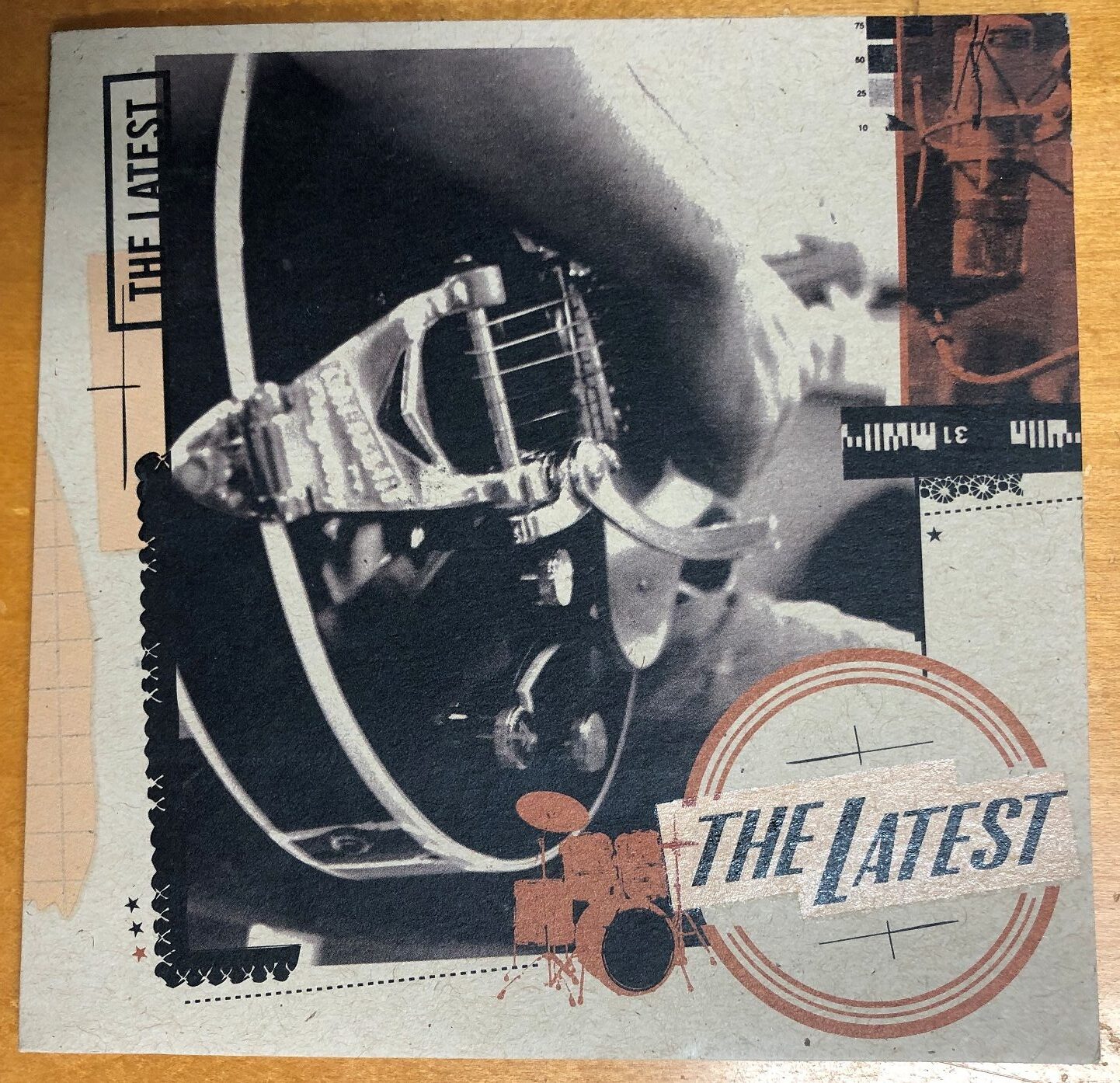
The Latest

(compact disc). This was a compilation album some cigarette company sent me. If I remember correctly, a bunch of us were down at Brewmaster’s Gate and signed up for the mailing list, just to get a free backpack. I was never a smoker but they did keep mailing coupons and other weird goodies such as this. One local band, Earwig, is featured on here. Drag is the tune and while it’s not their best, it’s catchy enough, and features that loping bass guitar sound that I think is somewhat of a Midwestern trademark. I like this picture of them in the booklet, though, incorporating their name into the side of this semi trailer:

Earwig booklet photo

Little Man Tate

(movie). While mostly filmed in Cincinnati, some Columbus footage is shot and makes the cut. Found among these scenes are the Wexner Center for the Arts, and downtown’s Ohio Theatre.

Muscles & Mayhem 

(documentary) this Netflix production chronicles the rise and fall of the TV show American Gladiators. At one point during the height of its popularity, the gladiators went on a nationwide tour, and Columbus was one of their stops. In episodes 3 and 4 both, there’s footage of locals trying out for the show.

The New Detectives 

(TV show) This true crime show from the early 2000s of course couldn’t avoid a couple of run-ins with our capital city. But I’m only going to mention cases which haven’t already appeared elsewhere on this page:

Season 8, Episode 3 (“Material Witness”) – concerns the notorious Dr. John Boyle incident, about which I could go on for hours. But most of that doesn’t apply to the project at hand. Regarding this here website, Columbus agency CTL are the ones analyzing this infamous concrete pile that seals the murderer’s doom. The analyst himself gives a soundbite in the episode.

Season 9, Episode 10 (“Murderous Attraction”) – covers the case of Robert Aeh, who claims his wife, Janet, shot herself. Detective Rankin is among those interviewed on the show, and eventually works to prove that Robert killed Janet after she ingested a bunch of sleeping pills.

Nintendo Quest

(documentary) Exactly the sort of thing you find yourself watching on Netflix at 2am, for background noise while reading or writing. The basic premise is that this guy is trying to acquire every original Nintendo game in 30 days. A couple of crucial scenes near the end involve The Warp Zone on Cemetery Road in Hilliard. This dude and his sidekick are desperate to find a copy of The Jetsons, one of the top five obscurities on their list. They buy Snow Brothers at some other shop, then come to The Warp Zone and make a trade for a copy of The Jetsons. 

Ohio – Stephen Markley 

(novel): With or without the subject matter specific to our state, I’m pretty sure I would be calling this a masterpiece. This is a long yet fast-moving, well written and often disturbing look at some kids in their twenties, in a northeastern Ohio town. Among the Columbus references are Franklin Park Conservatory (there’s a fictional – as far as I know – rehab facility across the street from here, in the novel, which gives some indication about the subject matter), and OSU, of course, and even the old Wyandot Lake amusement park, even though this book was released in 2018. So this guy really did his homework.

Our Towns – James and Deborah Fallows 

(nonfiction book) It’s kind of a murky, unformed premise, and I also found their writing style a little dull. But this husband and wife duo decide to fly themselves around, checking out what makes certain “small towns” in America tick. Of course even they admit it’s a bit ridiculous to refer to Columbus as a small town, although they usually don’t clarify what criteria made them choose which places, Columbus included. There’s a moderately informative chat with former mayor Michael Coleman, and the library director and a couple of other figures around town, but I wouldn’t really call this a highly engaging read.

Paranormal – Alice Cooper

(album): This one offers a double dip on the Columbus connections. Or at least it would seem to – on the bonus live CD’s closing track, School’s Out, Alice introduces guitarist Tommy Henriksen as being “from Columbus Ohio,” though I can find no other mention of this anywhere. Presumably he would know, however. Either way, the live disc itself was recorded here, at a May 6, 2016 show.

Permanent Midnight – Jerry Stahl 

(memoir): This is a thoroughly engrossing read on its own, as a well-known screenwriter documents his struggles with drug addiction. The Columbus parts all occur early in the book, and are fun for different reasons, as he chronicles his early days working for Hustler magazine (I had no idea it started here, until reading this) while living at a YMCA here in C-bus.

Point Break 

(movie) (original one, not sure about the remake) Who among us can ever possibly forget that Keanu Reeves’s character, the immortal Johnny Utah, is a quarterback for Ohio State before blowing out his knee, and therefore joining the FBI?

“Rami Temporalis” – Gary A. Braunbeck 

(short story) – this happened to be the first story in a supernatural/horror anthology I picked up at a used book store, called From The Borderlands. According to the “About The Contributors” section, Braunbeck was a Columbus resident at the time of this paperback’s release. I would say his contribution, though a little bit longer than most, is only about average for this collection. But then again, what do I know – if you land a story in the same anthology as this guy named Stephen King, then you must be doing something right.

Ready Player One

The novel sets some of the action in Columbus, especially along High Street, but these references feel a little hokey and unnecessary. For the film version, Steven Spielberg decided to move the hero’s home to Columbus entirely, which might be arbitrary but is also less awkward. If I had to hazard a guess as to where The Stacks would be located, I’m going with Marble Cliff. Somewhere around that whole quarry area on McKinley Avenue.

Road Outside Columbus – O.A.R. 

(song) Of A Revolution are a curious case. The four original members formed this band and even released a couple of albums while still living in Maryland – and then all four of them moved here to attend OSU, adding a fifth member while doing so. They played out a ton while in school here, and were a popular draw, as I remember for example the girl who lived next door to us was majorly into them, she and all her friends. They were constantly going out to see this band play in bars all around town. Still, having said that, I don’t consider them a Columbus band. To my knowledge they never recorded any music here. I can see the argument both ways, but it feels more like an extended residency.

Road Outside Columbus has to be the best song I’ve heard from them. It’s a pleasant, catchy, Dave Matthews style jam from their 2003 album, In Between Now And Then. The subject matter is fairly obvious as Marc Roberge sings about having found his second home, though only living here a short while, even namechecking Riverside Drive and High Street in the process. And actually I think these lyrics even bolster my case that they are technically not a Columbus band, seem to be admitting as much themselves.

Roadshow – Neil Peart 

(nonfiction book): This really entertaining and in-depth document, written by the drummer for rock legends Rush, chronicles his decision to travel from show to show on the 2004 tour via motorcycle. He briefly mentions a show at Polaris, though no details are provided. Apparently has some family living just outside of Columbus, though, and he visits that Motorcycle Hall Of Fame in Pickerington.

Special 20 – Tim Easton

(album) For a few years there in the early 2000s, it looked like this guy was going to break out and become a household name. Well, that never quite happened. However, his star shone bright enough at the time that he got a lot of press in the Columbus weeklies, eager as they were to bang a drum about his Cbus connections. But these are somewhat flimsy threads, mostly revolving around his days with local band Haynes Boys and not much else.

Ultimately, he didn’t spend a ton of time here. However, for his debut album, Special 20, he did enlist local cats such as Matt Surgeson on bass, Sean Beal of Big Back 40 on guitar, et cetera. Just Like Home was even recorded at his house here, on a 4 track – Easton says they later added a little something extra to the drums, at a studio, but that was it. So I think that’s all kind of cool. In a March 2000 interview with Alive, he even says he’s releasing an EP on Jackass Records featuring one song “recorded at various studios in Columbus,” and another captured on his former front porch, here in Cbus. But as far as I can determine, that never happened, and I’m left wondering what these tunes are.

On the flipside, eh, I don’t know. He’s considered Americana and has recorded with a bunch of people I’m majorly into, but at the same time, I never had any interest in his music. Now, this comes with a huge caveat: I’ve never actually listened to his music, either. So I’m admitting this openly, that I have no idea what I’m talking about and might be wrong. But sometimes I believe you can just look at a guy and know that he is a pretentious wanker, and that’s what happened with me and Tim Easton.

I was already thinking this, too, until one day I happened to ask my pal Kevin Spain if he knows anything about Tim Easton. He chuckled and informed me that yes, in fact, he does.

“He’s a dick,” is Kevin’s succinct summary of this matter. Although he does elaborate by telling me about this show where his band (Silo The Huskie) and Tim Easton were both playing. But that during Tim’s set, he busted a guitar string, and therefore got on the mic, calling out, “hey Silo dude! Where you at…Silo dude?” to ask for help, either a new string or different guitar, in extremely condescending fashion, even though he knew Spain’s name.

The Simpsons  

(TV series). Season 29’s Grampy Can You Hear Me episode is partially set at OSU. It mentions Brutus Buckeye and there’s a scene depicting the Oval.

“The Soul Is Not A Smithy” – David Foster Wallace 

(short story). In this tale from the Oblivion collection, a 4th grade teacher suffers a meltdown and takes hostages. I remember the kid narrating it mentions goofing around along the Olentangy River. Also that I was trying to decide where this fictional school would be located, based upon the vague descriptions, and figuring that it must be in Upper Arlington, somewhere around Reed Road.

The Sting Man – Robert W. Greene

(nonfiction book) In this marginally entertaining read, which was made into the film American Hustle, Greene mentions “an elderly mortgage hustler” named Edward Linick (Linnick) who gets mixed up with the Abscam situation. There’s some kind of plot where Linick attempts selling undercover Fed agents and their informant, Mel Weinberg, some banks in Florida, then later gets in deep with selling them phony Certificates of Deposit, and also a bunch of (quite real) firearms. An attorney named Donald Eacret is also involved. On 10/4/78, those two along with some accomplices are arrested at LaGuardia Airport for attempting to sell $200 million worth of fake CDs for $17 million in cash.

Subterranean Pop

(‘zine) Most people reading this blog have probably heard of the record label Sub Pop, but not everyone knows that the same dude, Bruce Pavitt, printed his own ‘zine by the same name first. And in issue #6, Columbus rates its first mentions that I have stumbled across in those pages – he speaks highly of some other ‘zine, called The Offense, which is printed by Magnolia Thunderpussy! Then a little later in the same issue, rates Monkey’s Retreat as one of the top two places in the country to score underground comics.

Then in the 8th issue (August 1982), there’s this hilarious rundown where other zine publishers mailed in their top 5 lists of whatever. Someone named TKA, from The Offense, says his are:

  1. Joy Division
  2. playing the easier video games with someone named Jill
  3. going through mail
  4. 4AD releases
  5. spinning records to clear the dance floor at Crazy Mama’s

Many years later, Pavitt published a thick book collecting all the issues. Here they feature short, newly written introductions by various figures. In his preface for issue #7, fellow indie music legend Gerard Cosloy also mentions The Offense as well as something related to it called the Offense Newsletter.

As far as bands are concerned, Great Plains are the earliest local mention that I can find, although by this point Pavitt had progressed to writing a regular segment for Seattle paper The Rocket instead. Cincy and Cleveland had already gotten plenty of love, though, which tells you where Cbus was at the time, on the cultural map. This was the December 1983 column. Pavitt is reviewing The Mark, Don and Mel EP. He writes, “Ron House is sincere and sounds lonely and awkward one minute, carefree and awkward the next.” He says they are “a great new Midwest band” and recommends especially the wordplay in The Way She Runs A Fever.

In Pavitt’s July 1983 Sub Pop column he says The Offense is now published weekly, costs 50 cents. He also mentions another Columbus ‘zine called Testube, but I can’t seem to find any information on that. As always, if anyone knows anything about this stuff, comments are definitely appreciated!

Teachers  

(movie). This inner city school drama was filmed entirely here in town, much of it at Central High. It’s an okay if somewhat cheesy flick mostly recommended to those interested in spotting landmarks around town, and/or Nick Nolte fans. The soundtrack is probably better.

Traffic 

(movie). Some of the scenes were filmed in Columbus, I think all of them downtown. Back in their snarky, pre-Dispatch ownership days, The Other Paper ran a pretty comical piece detailing how Michael Douglas successfully avoided them while filming.

Unsolved Mysteries 

(TV series) Episode 2 of season 9 delves into the Michael Swango case. The action kicks off with him as an intern at OSU Hospital, where patients begin dying at a suspiciously high rate. It will later emerge that he’s been poisoning them, though he’s already moved on before authorities connect the dots. He flees the country at one point but is eventually apprehended.

Vitale – Dick Vitale 

(memoir). OSU had never enjoyed much of a basketball program as of this book’s creation in the late 1980s. Nonetheless, Dick predicts that freshly minted coach Gary Williams will elevate the Buckeyes to regular top ten threats and national title contenders. Williams lasts three seasons, displaying very little of this alleged prowess. 

World Poker Tour

(tv show) Any episode up until legendary co-host Mike Sexton’s death automatically includes a Columbus reference of sorts, considering he graduated from OSU. But local Shawn Cunix also final tabled at least two of the episodes I’ve seen, including a stacked season 10 event at Jacksonville, FL. Three of the six finalists were well-known poker pros, including the WPT’s own Tony Dunst. The full tournament ran from April 27 to May 2, 2012, and Cunix took down 1st place at this one, collecting $400,600 in the process (or at least these are the advertised payouts; a lot of times, the players make deals with one another in advance, based upon their chip counts before the final table even starts).

This episode is a particularly entertaining one all around. Cunix is in one hand against Will “The Thrill” Failla and Shawn mentions having a terrible table image. Failla asks him if he’ll show his hand, but Cunix refuses. In another hand, with just bottom pair, he bluffs the dangerous Darren Elias off a 2 pair hand he’s holding – regarding this, Mike Sexton says he played that hand “with the precision of the OSU marching band.” On a much more somber note, during his interview, Cunix mentions having flipped his 4 wheeler just 3 weeks earlier, and is lucky to have just broken his collarbone – he can’t really lift one of his arms, but his kid, who was riding with him, emerged more or less unscathed.

– Chuck Klosterman 

(book) In this essay collection, he has one piece titled 2 + 2 = 5 which is an amusing, mostly joking attempt at taking the whole “replacement level player” concept from baseball, and applying it to music. One of the steps involves rating various bands, in order to determine how important each member is. Here he applies a baseline score of 1.0, assigned to The Beatles, with everyone else playing off of that. Among the bands listed is Thomas Jefferson Slave Apartments, who come in at a .55 – which places them on equal footing with the likes of My Morning Jacket and Rancid. This has this them slightly ahead of Journey, slightly behind Sonic Youth. Not bad!